Caldwell County Advances as a Western North Carolina Life Science Hub
4 Jun 2026
News
Many life science companies consider the Research Triangle when expanding in North Carolina. However, Western North Carolina is also gaining momentum. Caldwell County, in particular, is seeing steady growth in biopharmaceutical, medical, and research operations. Employers here point to available talent, lower costs, and space to grow as key advantages. These factors are drawing more site selection conversations to the region. North Carolina is one of the top biotech hubs in the country, with 790 life sciences companies and 2,500 related service providers. The state keeps adding new firms in pharmaceuticals, medical devices, and agricultural technology. Each year, Caldwell County’s life science and biopharmaceutical sector creates new jobs. This growth comes from focused investment in industry clusters, workforce training, available sites, and partnerships.
Caldwell County Builds a Life Science Cluster
Caldwell County is home to companies involved in research, manufacturing, and specialized production. Businesses here work in contract development and manufacturing, allergen immunotherapy, and medical products. Major employers such as BioNutra Life Science, Exela Pharma Sciences, Stallergenes Greer, and Adhezion Biomedical form the core of the local cluster. These companies bring technical expertise and strong supplier networks.
BioNutra Life Science focuses on researching and manufacturing dietary supplements and follows cGMP standards.
Exela Pharma Sciences offers contract services and finished drug products to a range of customers, including large pharmaceutical companies and hospitals.
Stallergenes Greer focuses on diagnosing and treating allergies and makes immunotherapy products for different allergic conditions.
Adhezion Biomedical makes medical adhesives for surgical care and wound management.
This major employer base creates demand for skilled operators, quality professionals, and research staff. It also supports vendors and service providers that work across validation, packaging, and logistics.
Caldwell County has sites that meet life science needs. There are several sites available in Lenoir, NC, where the majority of biopharmaceutical and life science companies are in Caldwell County. This location also helps streamline logistics for materials and finished products.
Available industrial sites near existing life science employers
Proximity to major trucking carriers and regional distribution routes
Utility capacity that meets manufacturing standards
Access to contract research organizations across North Carolina
Across the state, there are 160 contract research organizations and over 325 sites working on human therapeutics and vaccine development. This network helps with clinical trials, assay development, and regulatory work.
Caldwell County and its regional partners are working to create new opportunities for the life science industry in Western North Carolina. Local and statewide groups are teaming up on a federal grant application aimed at expanding the region’s long-term life science capacity. This effort brings together Burke Development Incorporated, the North Carolina Biotechnology Center, the Economic Development Partnership of North Carolina, and First Flight Venture Center. The plan would invest in Western North Carolina by creating more incubator and wet lab space for new and growing life science companies. Project leaders are seeking about $30 million in funding to help the region grow its life sciences sector and create new opportunities for research, startups, and advanced manufacturing. If successful, the project would fill a major gap, as there is currently no wet-lab incubator space in North Carolina west of Interstate 77. Although funding decisions are still underway, this regional collaboration demonstrates a strong commitment to long-term growth in biotechnology, pharmaceuticals, and related research in Western North Carolina. The initiative also supports ongoing recovery and economic diversification in the area.
Cost Structure Improves Project Feasibility
Operating costs play a big role in site selection. Caldwell County has lower real estate costs than the state’s major metro areas. Companies can get more space for production and expansion without the high prices found in busier markets. Lower costs go beyond just land and buildings. Employers also mention competitive wages, less traffic, and quick permitting. These advantages help speed up projects and lower risks. North Carolina’s business climate encourages investment. CNBC named the state America’s Top State for Business in 2025, the third time in four years it has earned this honor. The ranking is based on workforce, infrastructure, and cost of doing business.
Statewide Ecosystem Reinforces Local Growth
Caldwell County is part of a statewide system that supports research, commercialization, and production. North Carolina is strong in pharmaceuticals, medical devices, and agricultural biotechnology, with universities, research centers, and industry groups all playing a role. Important resources include the North Carolina Biotechnology Center, the North Carolina Biosciences Organization, and the NC Research Parks Network. These groups help companies find funding, research partners, and technical support. The state is home to six medical schools, four pharmacy schools, and three major cancer centers. Research in fields like regenerative medicine helps drive long-term innovation.
Quality of Life Supports Talent Retention
Life science companies need specialized talent, and Caldwell County is a great place to attract and keep employees. Workers here enjoy outdoor recreation, short commutes, and a lower cost of living compared to bigger cities. Communities in Western North Carolina offer stable housing and access to local amenities. This helps keep the workforce steady, which is important for regulated manufacturing and research. Employers say that quality of life affects hiring. Candidates often consider cost of living, commute times, and access to outdoor spaces, and Caldwell County scores well in all these areas.
Life Science Companies Find Room to Grow
Caldwell County is now a key life science location in Western North Carolina. It offers a strong base of employers, a growing workforce, and available sites. Companies can launch operations, expand production, and connect with the statewide network. Having established biopharmaceutical employers lowers the risk for new companies. Training programs align with industry needs, infrastructure supports regulated manufacturing, and costs remain competitive. All these factors make Caldwell County a practical choice for companies seeking both capacity and space to grow.
LENOIR, NC — At this year’s Industry Appreciation Banquet, local leaders, businesses, and partners were recognized for their contributions to economic growth, community advancement, and workforce development.Herman Anderson AwardThe Herman Anderson Award was presented to Alan Merck for his long-standing impact on economic development and infrastructure improvement in the region...
Economic Development Week, held from May 4-8, 2026, arrives during a milestone year for the profession. The International Economic Development Council marks 100 years of work that has shaped local economies across the country. The theme, 100 Years of Impact, sets a direct expectation. Communities should assess results, report current...
North Carolina’s economy is expected to grow, but that growth will not be evenly distributed across industries or regions. More than 260,000 jobs are projected to be added statewide between 2024 and 2034, but the industries driving that growth and where it occurs will vary significantly across the state.The projections...
NC is the No.1 Southeast State for Sustainability (Site Selection)
NC has increased production of renewables by nearly 52%, double the average of all 50 states
Our Festivals Bring Neighbors Together
Our Festivals Bring Neighbors Together
Whether we’re celebrating art, butterflies, blackberries, BBQ or wine, the calendar is full of Southern charm.
Free Job Training for Qualifying Businesses
Free Job Training for Qualifying Businesses
CCED works closely with CCC&TI and local manufacturers to meet the workforce needs of employers.
Entrepreneurship is Thriving
Entrepreneurship is Thriving
Record numbers of new businesses and industries have registered in Caldwell: 250-500 each year since 2018. The CCC&TI Business Center is ready to assist.
Manufacturing Week 2026
This is where the event information goes
Manufacturing Week 2026
Caldwell County would like to recognize our county's manufacturers during Manufacturing Week, Oct 2nd-Oct 6th, 2026. Below is a list of local events in support of our manufacturing industry.
Golf Tournament - Country Club - Tuesday, Oct 3rd - 8am to 4pm
Business Luncheon - Restaurant - Wednesday, Oct 4th - 11:30am to 1:30pm
Facility Tours for HS Students - Thursday, Oct 5th - 8am to 4pm
Smithsonian Celebrated Sculpture Gardens
Smithsonian Celebrated Sculpture Gardens
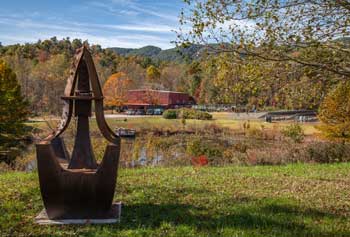
Caldwell County has the most extensive collection of permanent public outdoor sculptures per capita in the U.S. Our annual Sculpture Celebration is the largest in the South.
Renowned “Adventure Towns”
Renowned “Adventure Towns”
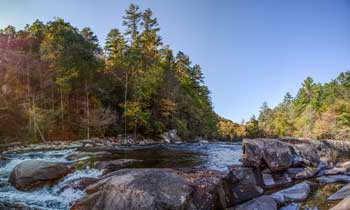
The Blue Ridge foothills, Pisgah National Forest and Wilson Creek are our playgrounds for biking, off-roading, watersports, hiking, hunting, fishing and camping.
NC is America’s Top State for Business
NC is America’s Top State for Business (CNBC, 2022)
Powered by an economy that has hit its stride and turbocharged by a track record of innovation, Caldwell County is the best of NC.
Eat and Play North Carolina
Eat and Play North Carolina
Explore the Caldwell County Itinerary for food, shopping, highlights, lodging and adventures! We invite locals and visitors to delight in the journey and the destination.
Meander the Blue Ridge Parkway and Historic Happy Valley
Meander the Blue Ridge Parkway and Historic Happy Valley
Explore scenic vistas, historical sites, art, breweries, wineries, eateries and more along this world famous route.
Record-Breaking Private Sector Wage Growth
Record-Breaking Private Sector Wage Growth
Caldwell County ranked 20th out of North Carolina’s 100 counties for wage growth in 2023. Since 2015, wages have grown an impressive 51.5%.
Existing Manufacturing Space Available
Existing Manufacturing Space Available
Move right into one of our existing manufacturing buildings. The infrastructure is in place and a trained workforce is ready.
2025 Key Indicators Report
Caldwell County is building on its historic manufacturing legacy while embracing the industries of tomorrow. With affordability, a strategic location, and a skilled workforce, the county is a prime destination for business growth and investment.
Our Mountains, Rivers and Lakes are Calling
Our Mountains, Rivers and Lakes are Calling
Life in Caldwell County can be full of adventure. Spend the day exploring parks, mountains, whitewater rafting, kayaking, hiking and biking.